Blog Details
16
Jun
Why Homemade Pickles Are Healthier Than Store-Bought Ones
Pickles are a beloved part of Indian cuisine, known for their tangy, spicy, and mouthwatering flavors. Whether paired with hot parathas or plain dal-chawal, a spoonful of pickle can transform any meal. But not all pickles are created equal. While store-bought pickles offer convenience, homemade pickles are often the healthier and safer choice.
In this blog, we’ll explore the key reasons why homemade pickles are healthier than store-bought ones, and why you should consider making your own at home.
1. No Harmful Preservatives or Additives
One of the biggest downsides of store-bought pickles is the presence of chemical preservatives, artificial colors, and flavor enhancers. These are added to extend shelf life and maintain appearance but can have negative health effects when consumed regularly.
Homemade pickles, on the other hand, rely on natural preservatives like salt, vinegar, mustard oil, and sun-drying techniques. This makes them free from synthetic chemicals, ensuring a cleaner and more wholesome product.
2. Better Quality Ingredients
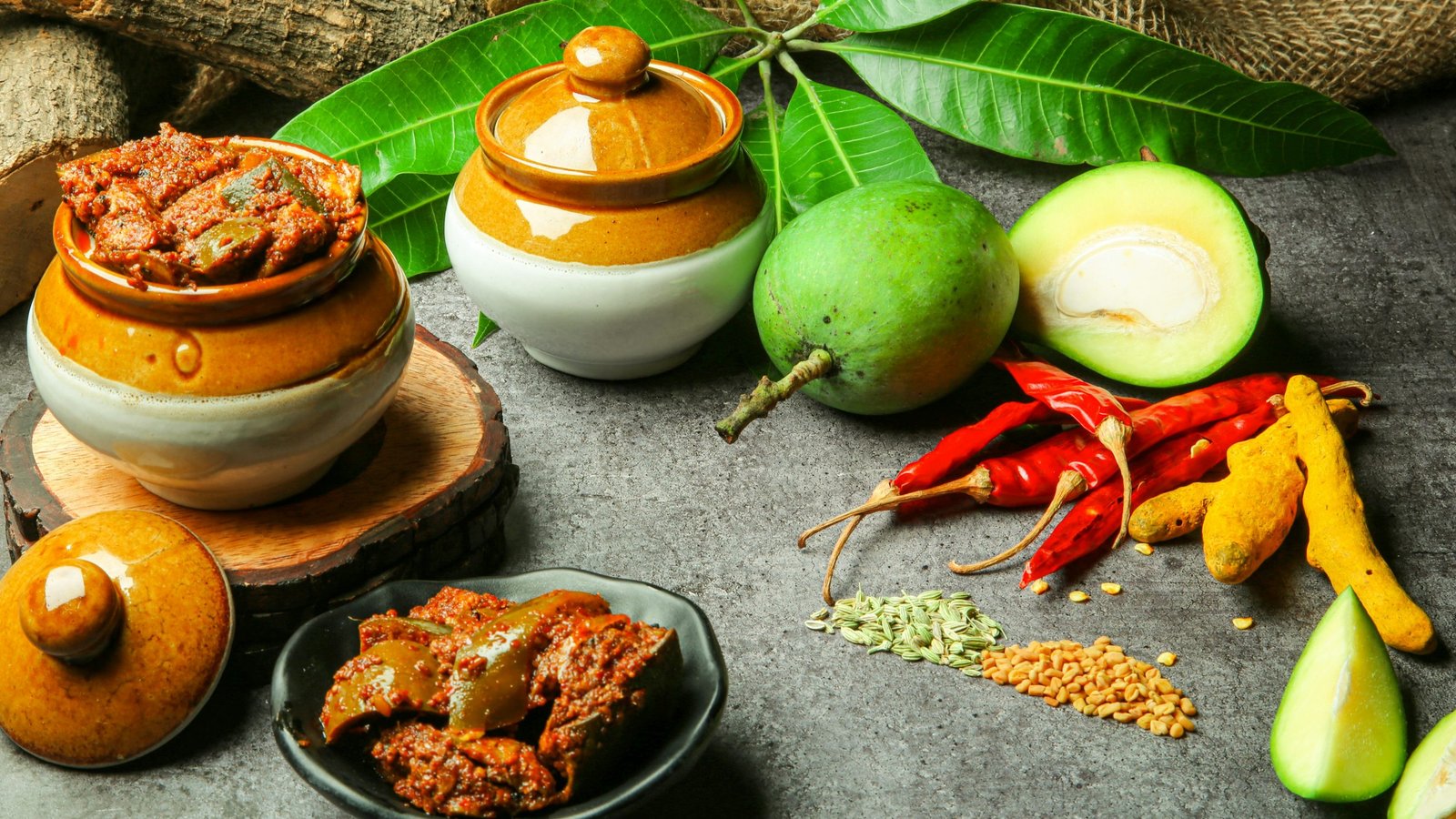
When you make pickles at home, you control what goes into them. From choosing the freshest vegetables and fruits to high-quality oils and whole spices, homemade pickles are crafted with care and attention.
In contrast, many commercial brands use low-grade oil, overripe or processed ingredients, and artificial flavoring agents to cut costs.
3. Controlled Oil and Salt Content
Store-bought pickles often contain excessive oil and salt, both of which can lead to health issues like high blood pressure, bloating, and cardiovascular problems when eaten frequently.
Homemade pickle recipes allow you to adjust the salt and oil based on your preferences or dietary needs, making them a safer option for long-term consumption.
4. Rich in Natural Probiotics
Some types of pickles, especially those that are fermented, are a great source of natural probiotics. These good bacteria support gut health, boost immunity, and aid digestion.
Many commercial pickles are pasteurized or treated with preservatives that kill these beneficial bacteria. Homemade pickles, when fermented naturally, retain their probiotic value, making them an excellent choice for your digestive system.
5. No Hidden Sugars or MSG
Some mass-produced pickles contain hidden sugars, MSG (monosodium glutamate), and other enhancers to boost flavor. These additives can lead to cravings, headaches, and even long-term health issues.
When you make pickles at home, you know exactly what goes into the jar. You can skip the sugar, MSG, and any unnecessary ingredients, creating a truly natural and healthful product.
6. Cultural and Nutritional Authenticity
Homemade pickles are often based on traditional family recipes, passed down through generations. These recipes use time-tested techniques and regional ingredients that not only offer superior taste but also cater to local climates and digestive habits.
Unlike the mass-produced versions that are made to suit general tastes, homemade pickles preserve cultural authenticity and nutritional integrity.
Final Thoughts
While store-bought pickles may be tempting due to their availability and convenience, they often fall short when it comes to health. Homemade pickles are healthier, cleaner, and more nutrient-rich, offering full control over ingredients and taste.
So, if you care about what goes into your body, start making your own pickles at home. It’s not just healthier — it’s also a deeply satisfying and culturally enriching experience.